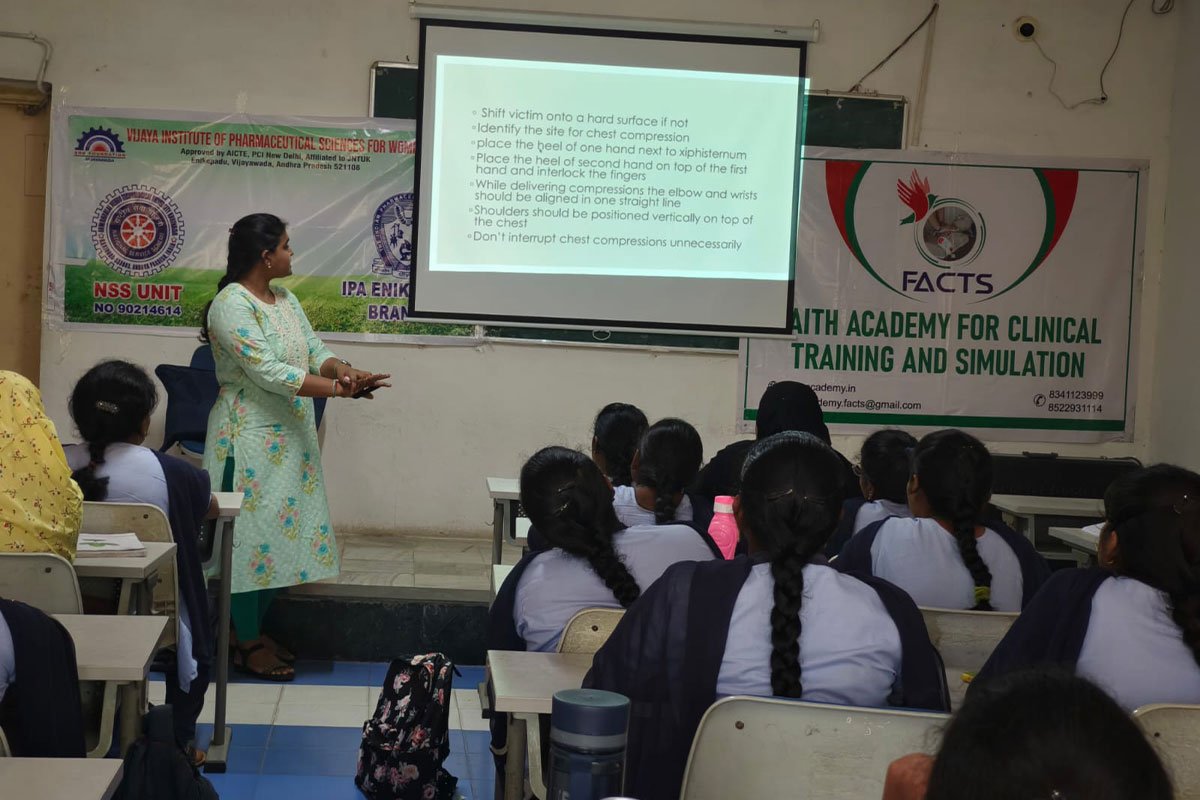
The healthcare industry evolves rapidly, demanding practitioners who are clinically competent, confident, and prepared to address diverse patient needs. Even the most academically strong medical and nursing graduates encounter a gap between textbook knowledge and real-world practice. Clinical training programs bridge this gap by blending theoretical understanding with hands-on experiential learning. Whether you are a nursing student, medical practitioner, paramedic, or allied health professional, clinical training plays a key role in building professional excellence, safety, and employability. Below are the top ten reasons why enrolling in a clinical training program is not just beneficial, but essential.
1. Gain real-world hands-on experience.
Textbooks can teach procedures and protocols, but real learning happens when you perform tasks in a clinical setting. Clinical training enables learners to assess, diagnose, and intervene in simulated or real-world environments. From handling medical equipment to performing life-saving procedures, hands-on experience enhances clinical reasoning and procedural accuracy — skills that cannot be mastered solely through theory.
2. Develop clinical confidence and competence
New healthcare professionals often struggle with self-confidence while interacting with patients or performing procedures independently. Clinical training provides repeated practice under expert guidance, helping students master essential clinical skills and overcome anxiety. The more exposure they gain, the more confident they become in executing complex tasks safely and efficiently.
3. Improve patient safety and reduce errors
Healthcare settings demand precision because even small mistakes can be life-threatening. Clinical training programs emphasize strict adherence to safety protocols, infection control guidelines, and standard operating procedures. Learners are trained to anticipate complications, manage emergencies, and make sound decisions, ultimately reducing the chances of medical errors and ensuring better patient outcomes.
4. Patient interaction and communication skills
Effective care involves more than technical expertise. Clinical training exposes learners to diverse patient groups, enhancing their ability to:
- communicate clearly and empathetically
- work with stressed or distressed patients
- counsel patients and families
- collaborate with multidisciplinary healthcare teams
This significantly improves professionalism and patient satisfaction.
5. Exposure to specialized areas and career paths
Most programs allow rotation through specialty departments such as:
- ICU & emergency
- obstetrics & gynecology
- pediatrics
- surgery & operation theatre
- mental health
- communityhealth
This exposure helps trainees discover their area of interest and plan future specialization or higher studies.
6. Industry-ready professionalism
Clinical training programs emphasize ethical conduct, punctuality, discipline, teamwork, accountability, and patient rights. These habits are crucial for a successful healthcare career and improve employability.
7. Access to advanced medical technologies
Modern healthcare relies heavily on technology. Clinical programs introduce trainees to:
- simulation labs
- ICU monitoring systems
- radiological and diagnostic tools
- automated medication dispensing systems
This builds digital confidence and ensures familiarity with the latest trends in patient care.
8. Enhance employability and career opportunities
Employers highly prefer candidates who are already clinically trained and job-ready. Those with practical and updated skill sets have a competitive advantage when applying for hospital, clinic, or emergency healthcare positions. Certifications earned from clinical training programs add value to resumes, increase credibility, and often lead to higher salary packages and faster career growth.
9. Strengthen communication and teamwork skills
Healthcare is a multidisciplinary field that requires seamless collaboration among doctors, nurses, pharmacists, physiotherapists, laboratory personnel, and support staff. Clinical training teaches effective communication, team coordination, and documentation skills. Learners practice communicating with patients, families, and colleagues, helping them grow into empathetic and professional caregivers.
10. Build professionalism, ethics, and patient-centered care
Clinical training emphasizes ethical practice, accountability, integrity, empathy, and respect — qualities that define a successful healthcare professional. Trainees learn how to provide patient-centered care, maintain confidentiality, respect cultural diversity, and uphold dignity and compassion in every clinical encounter. These values elevate professional conduct and patient satisfaction.
11. Boost readiness for national and international placements
Many training institutions collaborate with hospitals and medical centers both locally and abroad. Candidates who undergo clinical training often meet eligibility criteria for international recruitment because they possess hands-on experience, certified competencies, and global readiness. For those looking to build careers overseas, clinical training becomes a foundational stepping-stone.